Key Takeaway
The week of May 14, 1988, marks a turning point in Music Chart History, when polished pop, blockbuster movie soundtracks, and the rising energy of rock and dance-pop blended into a moment listeners still feel today.
At a glance, this chart shows how much American music fans loved strong melodies, memorable choruses, and the kind of albums that instantly evoke the Early MTV Music Era.
As you explore this week’s rankings, you’ll notice how film-driven albums, global pop stars, and breakout rock groups shaped what many now call the Classic Albums of the 80s.
For anyone who loves nostalgia, this chart is a snapshot of a culture shifting toward a more visual, more global pop sound—a perfect fit for a true Nostalgia Music Blog.
A Snapshot in Time
Before diving into the music, here’s what else was happening in the world during the week of May 14, 1988:
Soviet troops began withdrawing from Afghanistan, marking a major shift in Cold War tensions.
George H.W. Bush secured his path to the Republican nomination, shaping the 1988 U.S. election landscape.
Rain Man was in production, soon to become one of the defining films of the late 1980s.
The Chicago Cubs played their first official night game preparations as Wrigley Field moved toward full lighting installation.
Nintendo’s NES dominated American households, and the gaming boom was becoming a cultural force.
Just as America was experiencing these moments, these were the albums spinning on turntables, tape decks, and brand-new CD players across the nation.
This Week’s Top Ten Albums in America
Faith – George Michael
Featuring: “Faith,” “Father Figure”
Dirty Dancing – Original Motion Picture Soundtrack
Featuring: “(I’ve Had) The Time of My Life,” “Be My Baby”
More Dirty Dancing – Original Motion Picture Soundtrack
Featuring: “Do You Love Me,” “Love Man”
Introducing the Hardline According to Terence Trent D’Arby – Terence Trent D’Arby
Featuring: “Wishing Well,” “Sign Your Name”
Bad – Michael Jackson
Featuring: “Bad,” “Man in the Mirror,” “The Way You Make Me Feel”
Kick – INXS
Featuring: “Need You Tonight,” “Devil Inside”
Appetite for Destruction – Guns N’ Roses
Featuring: “Sweet Child O’ Mine,” “Welcome to the Jungle”
Now and Zen – Robert Plant
Featuring: “Tall Cool One,” “Heaven Knows”
Tiffany – Tiffany
Featuring: “I Think We’re Alone Now,” “Could’ve Been”
Let It Loose – Gloria Estefan & Miami Sound Machine
Featuring: “Anything for You,” “Rhythm Is Gonna Get You”
Album of the Week Spotlight
Dirty Dancing-Soundtrack

Dirty Dancing Soundtrack 1987
💿 Album of the Week Spotlight
Dirty Dancing – Original Motion Picture Soundtrack
Why I Picked It:
Few albums in the Top 10 Albums of the late ’80s captured the cultural moment like Dirty Dancing.
The film was already a phenomenon—America was captivated by its nostalgic 1960s setting, heartfelt story, and incredible dance sequences.
When the soundtrack dropped on August 4, 1987, it became instantly intertwined with the movie’s identity.
The album sold 32 million copies worldwide, driven by radio-ready hits, emotional ballads, and a mix of oldies and new recordings that created the perfect romantic energy.
It spent 18 weeks at No. 1 on the Billboard 200, making it one of the strongest performers in Billboard Album Charts History.
There was a ton of media coverage about this movie and I believe it drove the movie box office success.
The movie’s blockbuster success created a massive appetite for the music.
By 1988, vinyl was fading, cassettes were steady, and compact discs were skyrocketing in popularity.
This soundtrack benefited enormously from the CD boom.
Here are a few more reasons this soundtrack mattered:
It revived interest in classic ’60s pop and soul songs, boosting sales and radio play for older artists.
It helped solidify the trend of movie-driven album hits that would dominate the 1980s Album Rankings.
It created one of the most iconic closing songs in cinema history with “(I’ve Had) The Time of My Life.”
It became an early example of cross-media marketing that defined the Early MTV Music Era—music videos, film clips, radio, and retail all worked together.
The follow-up album, More Dirty Dancing, proved there was no slowing down consumer appetite for the brand.
This soundtrack wasn’t just popular—it became a cultural wave.
Affordable Protection for Priceless Records
Vinyl Record Storage Box-12"Crate Holds up to 75 Vinyl Albums Wood Retro & Durable Vinyl Crate and Record Holder, Case Box for 60


Thank You for Your Support!
Thank you for being a loyal reader of America's Top Ten Albums Insights!
Your passion for music history and these weekly journeys through classic albums means the world to me.
This blog is supported through affiliate sales, and when you make purchases through links on this site, you're helping keep these stories and memories alive.
I'm grateful for your continued support and for being part of this community that celebrates the soundtrack of our lives.
Here's to many more musical discoveries together!
Cheers, George
My Connection
I was the manager of the Camelot Music store at Park City Mall in Lancaster when this album exploded in popularity.
Our VHS rental department couldn’t keep the movie on the shelves, and the soundtrack was one of the most requested CDs in the entire store.
We played it frequently during peak hours, and customers responded instantly—they wanted the energy, the emotion, and the nostalgia the album offered.
Each week I reordered more copies just to keep up.
It was one of the true “guaranteed sellers” of the decade.
Still the Best Way to Keep Vinyl Looking New


Reflections & Insights
Looking back, this chart perfectly illustrates how deeply intertwined music, movies, and culture were in 1988.
Rock was loud and confident, pop idols ruled the airwaves, and soundtracks were becoming serious contenders on the charts.
When you revisit moments like this, you see why the late ’80s remains such a rich era for Music History by Week analysis.
The combination of blockbuster soundtracks, powerhouse pop icons, and breakout rock bands defined how Americans listened to music—and set up a blueprint for future decades of cross-media hits.
🧠 Trivia Corner
Fun Fact 1: “(I’ve Had) The Time of My Life” won both the Oscar and Golden Globe for Best Original Song.
Fun Fact 2: INXS’s Kick produced four Top 10 U.S. singles—an incredible feat for an Australian rock band.
Fun Fact 3: Guns N’ Roses’ Appetite for Destruction didn’t hit No. 1 until a full year after release—word-of-mouth carried it to the top.
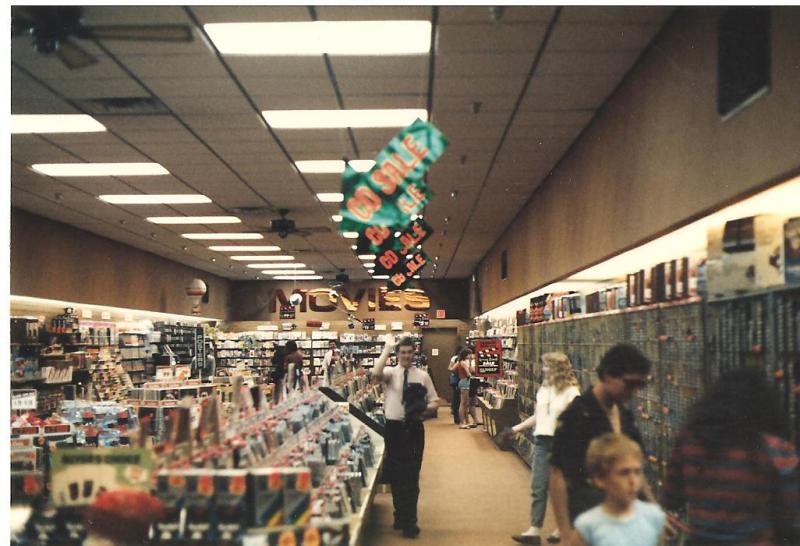
Park City Mall 1987
❓ Frequently Asked Questions (FAQ)
Q: Why were movie soundtracks so popular in the late 1980s?
A: Soundtracks benefitted from MTV, blockbuster films, and strong radio play. When a movie was huge, the music became part of the experience.
Q: Was Dirty Dancing really one of the best-selling albums of the decade?
A: Yes—its worldwide 32 million sales place it among the top sellers of the 1980s.
Q: What made 1988 such a strong year for pop music?
A: Global pop stars, improved production quality, and MTV’s peak influence created a perfect environment for high-selling albums.
Q: Why did soundtracks like More Dirty Dancing also chart so well?
A: Fans wanted more music connected to the film, and labels quickly responded with follow-up releases to meet that demand.
Join The Conversation
What were you listening to this week in history? Did you buy one of these albums when it was new?
Share your memories below, or join the discussion on our Music in the 1970s Facebook page to keep the needle spinning.
Follow Music In The 1970s
Love classic rock, soul, and everything 70s?
Join us for daily album insights, rare stories, and lively discussions.
Keep the golden era of music alive with fellow fans!
Visit Music In The 1970s
Music in the 1970s

Billboard's Top 200 Album Sales
Key Takeaway
The week of July 16, 1983 highlights a moment when pop, rock, and dance music were all colliding on the charts — from blockbuster pop like Michael Jackson’s Thriller to the cinematic pulse of the Flashdance soundtrack, and the poetic tension of The Police’s Synchronicity.
It’s a snapshot of how music in that era was both deeply personal and wildly commercial, riding atop the cultural currents of the time.
This isn’t just a list of albums — it’s a window into what America was listening to at a moment when the charts were shifting, and new sonic landscapes were being defined.
The chart-toppers of this week weren’t just songs on the radio — they were soundtracks to people’s lives, and still resonate decades later.
A Snapshot in Time
Here’s what else was happening in the world around July 16, 1983 — while these albums were ruling turntables across the country:
The U.S. Congress passed a resolution designating the week of July 17–23, 1983, as National Corn Week. Congress.gov
On the charts, Every Breath You Take by The Police was at No. 1 on the Billboard Hot 100. top40weekly.com+1
The movie Staying Alive (the sequel to Saturday Night Fever) was topping the box office. Best Of Date
In popular single releases: Electric Avenue by Eddy Grant and Flashdance… What a Feeling by Irene Cara were also dominating the charts. top40weekly.com
The music business was in flux — Thriller by Michael Jackson and Synchronicity by The Police were trading high spots in sales, reflecting the broad appeal of both pop and new wave. The Timeline Geek+1
On a cultural note, the chart success of Flashdance’s soundtrack underlined how movie soundtracks were becoming major players in pop music.
Just as the world was busy with everything from grain economics to blockbuster films, these albums were weaving their way into people’s daily lives — on the radio, at parties, in their cars, and on their record players.
This Week’s Top Ten Albums in America
Thriller – Michael Jackson
Featured songs: “Wanna Be Startin’ Somethin’” Wikipedia+1 (also Billie Jean, Beat It, etc.)
Synchronicity – The Police
Featured songs: “Every Breath You Take” Wikipedia+1 and “Synchronicity II” Wikipedia
Flashdance – Movie Soundtrack
Featured songs: “Flashdance… What a Feeling” Wikipedia and “Maniac” (Michael Sembello) Wikipedia
Pyromania – Def Leppard
Featured songs: “Photograph” and “Rock of Ages” (these were massive radio hits and helped push the album) Wikipedia
Let’s Dance – David Bowie
Featured song: “Let’s Dance” (title track was huge, thanks to Nile Rodgers’ production) TIME
Cargo – Men at Work
Featured song: “Overkill” (one of their big hits from that album)
The Wild Heart – Stevie Nicks
Featured song: “Stand Back” (that single was a major hit for her solo career) The Record index
Keep It Up – Loverboy
Featured song: “Hot Girls in Love” (or “Working for the Weekend” depending on region — “Hot Girls in Love” was very radio-friendly)
1999 – Prince
Featured songs: “1999” (the title track) and “Little Red Corvette” (both key to the album’s popularity)
Killer on the Rampage – Eddy Grant
Featured song: “Electric Avenue” (his biggest hit, a defining track of his career) Steve Hoffman Forums+1
Album of the Week Spotlight
1999- Prince

1999 Prince
💿 Album of the Week Spotlight
1999 – Prince
Why I Picked It:
1999 was Prince’s fifth studio album, but the first one that made him a commercial powerhouse.
Coming out in October 1982, it marked Prince’s first major crossover — blending funk, pop, rock, and R&B in a way that grabbed mainstream attention.
The Revolution joined him for this project, elevating his sound with a tight, band-driven energy.
The singles from 1999 — especially the title track and Little Red Corvette — were running heavy on the radio, putting Prince firmly in the public consciousness.
In smaller markets like Rochester, where I was working at the time, this wasn’t the album we were pushing the most, but looking back, I see how it set the stage for everything that followed — Purple Rain, 1999’s live shows, and Prince’s full-blown superstardom.
Chart Climb & Reception:
Though 1999 didn’t hit No. 1 immediately, it secured Prince’s first Top 10 placement on the Billboard 200.
It went on to become one of his signature records — not just commercially, but in defining his style and the kind of artist he was becoming: bold, genre-less, and uncontainable.
Why It Mattered Musically & Culturally:
At a time when pop was dominated by MTV-friendly slick production (Thriller) and cinematic soundtracks (Flashdance), 1999 felt like a statement — Prince was making music that didn’t just appeal to one crowd.
He was building a community. He was pushing the envelope on what pop and funk could be.
For me personally, working in a music store, I saw that even if his sales were slower in my region, his influence was building among people who cared deeply about where music could go next.
Protect the Music You Love


My Connection
Back then, I was the manager at Camelot Music in Eastview Mall.
1999 didn’t fly off our shelves as some of the more radio-bombastic pop albums did — my clientele leaned more rock and progressive, so Prince felt a little out of left field for the store crowd.
But I heard those singles playing constantly on my drive into work, and I knew something big was happening.
To me, Prince’s work was musically slick, but artistically raw — the way he could switch from electro-pop to guitar solos and back again.
I recognized that the tracks had the potential to break out, even if we weren’t selling millions in my small corner of upstate New York just yet.
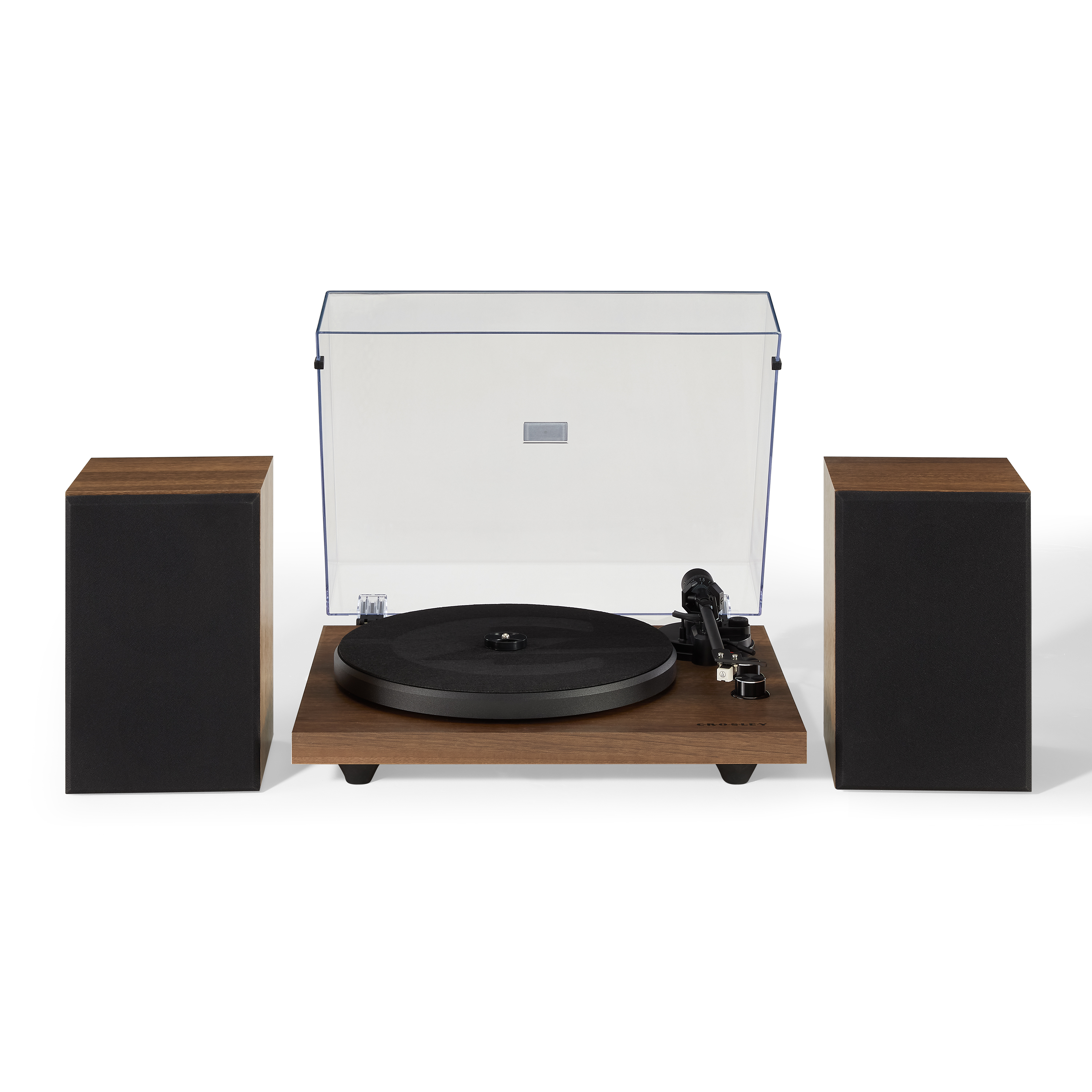
Got the Records? Get the Right Player

Reflections & Insights
Looking at this chart week as a whole, it’s a powerful reminder of how eclectic 1983 was in American music.
On one hand, you’ve got Michael Jackson absolutely dominating with Thriller — chart-topping, mass-market, polished pop.
But on the other, Synchronicity by The Police brings in introspection and tension.
The Flashdance soundtrack shows how film and music were merging in new ways.
And Prince’s 1999 signals the rise of an artist who would redefine pop on his own terms.
From my vantage point in a mall music store, this was not just business — it was witnessing a shift.
These weren’t throwaway hits. They were records that would define the decade.
And for those of us who lived through it back then, hearing those tracks on the radio or seeing the albums in the racks felt like being part of something bigger — a musical turning point.

Classic Albums of the 80s
🧠 Trivia Corner
1999 was Prince’s first album with his backing band, The Revolution.
The hit “Electric Avenue” from Eddy Grant’s Killer on the Rampage was inspired by the 1981 Brixton riots in London.
Irene Cara’s “Flashdance… What a Feeling” won both an Academy Award and a Golden Globe for Best Original Song. Wikipedia
Pyromania by Def Leppard marked a stylistic shift for the band — moving toward more radio-friendly rock, largely thanks to producer Mutt Lange. Wikipedia
❓ Frequently Asked Questions (FAQ)
Q: How accurate is this Top 10 list for July 16, 1983?
A: The list reflects dominant albums from that era, based on historical charts and cultural impact.
While exact weekly Billboard data is sometimes hard to pin down for every LP, this captures the albums that were most influential and highly ranked around that week.
Q: Why was 1999 not the No. 1 album at that time even though Prince was big?
A: Prince was rising, but Thriller by Michael Jackson was an unprecedented force in terms of sales and chart dominance.
Even great albums like 1999 had to compete with that juggernaut.
Q: Were soundtracks common in the Top 10 in 1983?
A: Yes — movie soundtracks like Flashdance played a larger role in pop culture, bridging film and pop music in ways that made their albums huge commercial successes.
Q: Did Synchronicity get critical acclaim at the time?
A: Absolutely. Synchronicity was praised for its use of early digital sampling, rich textures, and Sting’s lyrical depth.
It went on to win Grammys and remains one of The Police’s most celebrated works.
Join The Conversation
What were you listening to this week in history? Did you buy one of these albums when it was new?
Share your memories below, or join the discussion on our Music in the 1970s Facebook page to keep the needle spinning.
Follow Music In The 1970s
Love classic rock, soul, and everything 70s?
Join us for daily album insights, rare stories, and lively discussions.
Keep the golden era of music alive with fellow fans!
Visit Music In The 1970s
Music in the 1970s