Billboard's Top 200 Album Sales
 Key Takeaway
May 1969 captures a turning point in music history—where experimentation met mainstream success.
• Jazz-rock fusion broke through with Blood, Sweat & Tears dominating the charts
• Legendary acts like The Beatles and Led Zeppelin showed how wide the rock spectrum had become
• Soul, pop, and stage productions like Hair proved there wasn’t just one “popular” sound—there were many
• The #1 hit “Get Back” signaled a return to stripped-down rock during a time of heavy musical exploration
This week reflects a music scene with no clear boundaries—just momentum building toward one of the most influential summers in music history.
My Thoughts on Billboard Chart History May 1969
May 1969 was a really good, very emotional month for me. It was the month of my junior prom.
Always brings back memories of my junior prom. I didn’t attend the prom because I couldn’t find a date, so I decided not to go
Early in the month we were finishing up our baseball season from my junior year.
I had a game where I went 5 for 5: five hits in five at‑bats, scored five runs, and drove in five runs.
It was about 91 °F on May 5, 1969.
Hit songs that month included:
- “Get Back” by the Beatles
- “Oh Happy Day” by the Edwin Hawkins Singers
- “In the Ghetto” by Elvis Presley
One of my favorites, “Love Can Make You Happy” by Mercy, A wonderfully beautiful slow song
“The Love Theme from Romeo and Juliet” by Henry Mancini and the orchestra, was released that month. It became a big hit in June and July 1969.
Artists, songwriters, and producers of note:
- “Brother Love’s Traveling Salvation Show” by Neil Diamond was descending the charts after peaking in the top 10.
-
Its follow‑up, the classic “Sweet Caroline” by Neil Diamond, became a huge hit in July, August, and September 1969.
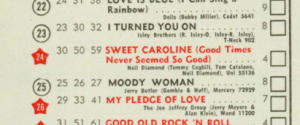
Sweet Caroline Neil Diamond
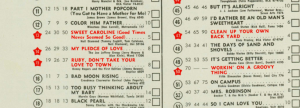
Sweet Caroline Neil Diamond Late July 1969
I’ve listened to “Sweet Caroline” for years; it was one of my favorite songs.
In 2013, the Boston Red Sox’s run to the World Series championship featured “Sweet Caroline” as a very big anthem for Red Sox fans.
After the horrible Boston Marathon Bombings on April 15, 2013. It became a unified battle cry, move forward song for all fans at Boston Red Sox Games that season.
They in fact won the World Series that year.
"Sweet Caroline" it all started in 1969.
May 1969 was also when the push toward the historic moon landing really picked up speed.
That month, NASA carried out Apollo 10 mission (May 18–26), a full-scale test run that checked nearly every step of a Moon landing—just stopping short of actually touching down.
Astronauts Thomas P. Stafford, John W. Young, and Eugene Cernan made the trip to lunar orbit, with the Lunar Module dropping to within 47,400 feet of the surface.
It was the final proving ground before July’s historic landing attempt
Join the newsletter for weekly chart rewinds
I send out a simple weekly newsletter every time a new article is published.
No spam.
No daily emails.
Just a quick note letting you know something new is live.
Album Spotlight
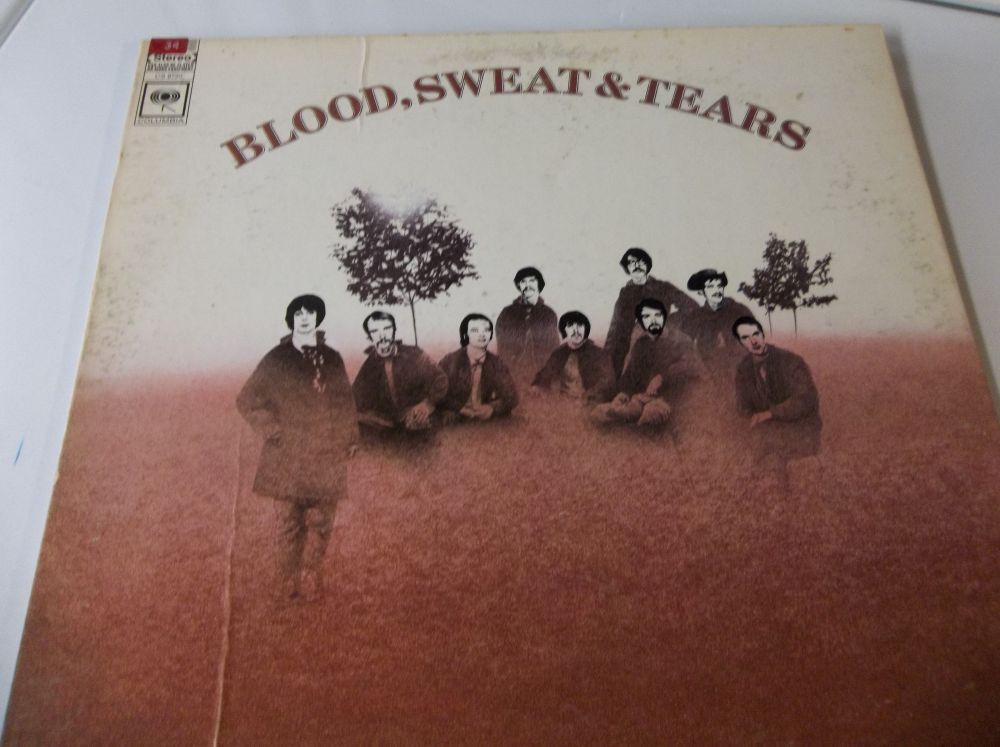
Blood, Sweat & Tears - Blood, Sweat & Tears
Blood Sweat & Tears by Blood Sweat & Tears
 Album of This Month Spotlight
Blood, Sweat & Tears – Blood, Sweat & Tears
This album stood out because it fused rock, jazz, and brass into a completely unique mainstream sound.
Why it mattered:
- Produced multiple hit singles including “Spinning Wheel”
- Helped popularize jazz-rock fusion in mainstream music
- Won the Grammy for Album of the Year
 Top 10 Albums – May 1969 (Billboard 200)
Here’s what America was listening to during this week in May 1969:
- Blood, Sweat & Tears – Blood, Sweat & Tears
- Hair (Original Cast Recording) – Various Artists
- Abbey Road (pre-release buzz era context) – The Beatles
- Cloud Nine – The Temptations
- Galveston – Glen Campbell
- Led Zeppelin – Led Zeppelin
- Stand! – Sly & The Family Stone
- This Girl’s in Love with You – Dionne Warwick
- Fool on the Hill – Sérgio Mendes & Brasil ’66
- Goodbye – Cream
 Billboard Hot 100 #1 Single
“Get Back” – The Beatles
The Billboard Hot 100 number-one single during May 1969 was “Get Back” by The Beatles.
Short breakdown:
- It hit #1 with a stripped-down rock sound that returned to the band’s roots
- The song connected with listeners through its raw energy and simplicity
- Its back-to-basics approach stood out during an era of heavy experimentation
Highlights:
- Marked one of the final #1 hits for The Beatles
- Featured Billy Preston, one of the few credited collaborators
- Became a defining late-era Beatles track
 What Was Happening This Month (May 1969)
Music reflects the world around it. Here’s what was happening at the same time:
- The Vietnam War continued to dominate global attention
- The counterculture movement influenced youth culture and music
- Preparations were underway for what would become Woodstock later that summer
- Television and radio remained primary drivers of music discovery
WHY THIS MONTH STILL MATTERS
May 1969 represents a time when music was expanding in every direction. Artists were experimenting, blending genres, and redefining what popular music could sound like.
This period laid the groundwork for major musical milestones later in 1969 and into the 1970s.
It’s a reminder that some of the biggest shifts in music start quietly—before they fully take over.
Proper Cleaning Extends Record Life


A Snapshot in Time
Politics & World Events:
- Ongoing Vietnam War protests shaped public discourse
- Social change movements continued across the U.S.
Technology & Culture:
- Vinyl records were the primary music format
- FM radio grew as a platform for album-oriented listening
In Music:
- Fusion genres like jazz-rock gained traction
- Rock music diversified into multiple subgenres
Join The Conversation
What were you listening to this week in history? Did you buy one of these albums when it was new?
Share your memories below, or join the discussion on our Music in the 1970s Facebook page to keep the needle spinning.
Follow Music In The 1970s
Love classic rock, soul, and everything 70s?
Join us for daily album insights, rare stories, and lively discussions.
Keep the golden era of music alive with fellow fans!
Visit Music In The 1970s
Music in the 1970s