Key Takeaway
1974 was a turning point in American music and culture.
This week’s chart shows folk storytellers, rock giants, and comedy albums sharing the same national stage.
They proved that music in the mid-70s was a place where everyone found something to connect with, whether through emotion, rebellion, or humor.
A Snapshot in Time
Before diving into the music, here’s what else was happening in the world during late November 1974:
Gerald Ford was just months into his presidency after Nixon’s resignation.
The U.S. economy was grappling with inflation and a recession, sometimes called “stagflation.”
The Freedom of Information Act was strengthened, improving public access to government records.
The UN General Assembly recognized the Palestine Liberation Organization, drawing major international attention.
Muhammad Ali was preparing for his comeback fights after winning the Rumble in the Jungle earlier that year.
Households were debating gas prices, energy use, and adjusting to the end of the post-war boom.
As these conversations shaped the world, these albums filled American living rooms, dorm rooms, and car stereos.
This Week’s Top Ten Albums in America
The Rolling Stones – It’s Only Rock ’N Roll
Featuring: “It’s Only Rock ’N Roll (But I Like It)”Jim Croce – Photographs & Memories: His Greatest Hits
Featuring: “Time in a Bottle,” “Bad, Bad Leroy Brown,” “Operator (That’s Not the Way It Feels)”America – Holiday
Featuring: “Tin Man”Bachman-Turner Overdrive – Not Fragile
Featuring: “You Ain’t Seen Nothing Yet”Cheech & Chong – Cheech & Chong’s Wedding Album
Featuring: “Earache My Eye”John Lennon – Walls and Bridges
Featuring: “Whatever Gets You Thru the Night”
(His only #1 solo hit during his lifetime.)Jethro Tull – War Child
Featuring: “Bungle in the Jungle,” “War Child”Neil Diamond – Serenade
Featuring: “Longfellow Serenade”David Bowie – David Live
Featuring: Live versions of “Rock ’n’ Roll Suicide” and “The Jean Genie”Lou Reed – Sally Can’t Dance
Featuring: “Sally Can’t Dance”
Album of the Week Spotlight
Jim Croce- Photographs & Memories
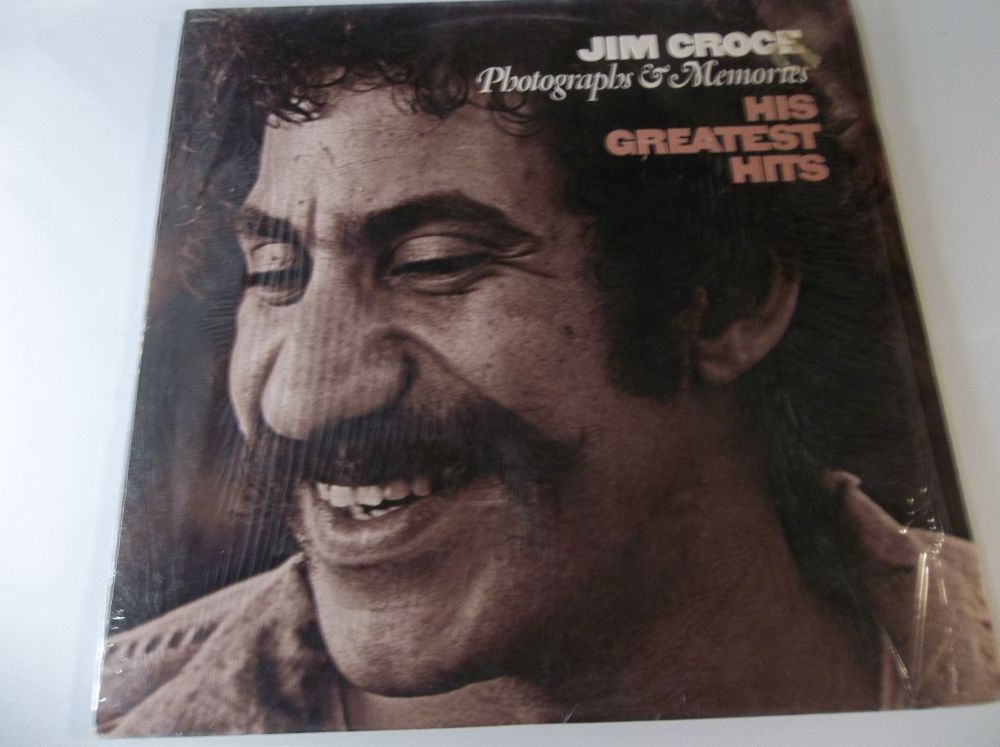
Jim Croce- Photographs & Memories
💿 Album of the Week Spotlight
Jim Croce- Photographs & Memories His Greatest Hits
Jim Croce’s impact feels personal, emotional, and timeless.
His songs weren’t just hits — they were stories people recognized.
Between 1972 and 1974, Croce delivered a remarkable string of Top 40 songs that blended folk, heartland humor, and tender reflection.
His two #1 hits — “Bad, Bad Leroy Brown” and “Time in a Bottle” — bookend a career cut tragically short after his passing in September 1973.
Yet the music didn’t fade. This greatest hits album became a way for fans to hold onto him and carry those stories forward.
Is Your Current Turntable Hurting Your Records?

My Connection
I was lucky enough to see Jim Croce perform live in March of 1973, opening for Loggins & Messina.
He played a very entertaining set. I realized that his partner in performing, guitarist Maury Meulheisen just his voice, guitar, and their presence captivated the War Memorial.
They were the warm up group for a Loggins & Messina performance which followed.
This concert was March 10, 1973. at the Rochester War Memorial.
Little did we know that Jim and Maury would lose their lives in an airplane crash in September 1973.
I really enjoyed the two of them performing together.
It was magic. In fact, I thought they captured the audience's enjoyment and interest more than Loggins & Messina.
Jim and Maury played almost an hour long set.
Fascinating to watch and listen to their musicianship.
Just two men, two guitars and tons of skill.
Reflections & Insights
This week’s chart shows how storytelling and sincerity still had a place in a world pushing toward bigger stadium rock, glam, and emerging disco.
Even as musical production was getting louder, flashier, and more theatrical, Jim Croce’s quiet songs reminded listeners to slow down, remember people, and feel things.
Music didn’t just entertain — it held memories..
This chart captures more than just popular songs—it reflects an audience balancing familiarity with curiosity.
Fans were ready for new sounds, yet still deeply connected to the emotional storytelling that defined the 1970s.
It’s a perfect reminder that great music doesn’t just mark time—it bridges generations.
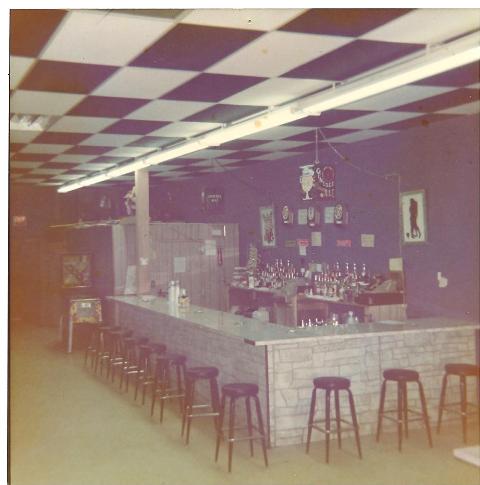
Purple Haze, Dansville, NY
🧠 Trivia Corner
- Jim Croce wrote many of his songs while working blue-collar jobs — including driving trucks and working construction.
“Time in a Bottle” only became a hit after his death, making it one of the first posthumous #1 singles.
Croce’s longtime musical partner, Maury Muehleisen, passed away in the same plane crash — a loss often overlooked.
Give Your Records a Little TLC


❓ Frequently Asked Questions (FAQ)
Q: Why did Jim Croce become so popular so quickly?
A: His songs felt honest and familiar, telling stories about real people in everyday life.
Q: Was Photographs & Memories released before or after his passing?
A: It was released in 1974, about a year after his death, as a way to honor his legacy.
Q: What genre best describes Jim Croce’s music?
A: Folk rock with strong storytelling and singer-songwriter roots.
Q: Did Jim Croce tour extensively before his passing?
A: Yes — his live performances were known for warmth, humor, and connecting with audiences.
Join The Conversation
What were you listening to this week in history? Did you buy one of these albums when it was new?
Share your memories below, or join the discussion on our Music in the 1970s Facebook page to keep the needle spinning.
Follow Music In The 1970s
Love classic rock, soul, and everything 70s?
Join us for daily album insights, rare stories, and lively discussions.
Keep the golden era of music alive with fellow fans!
Visit Music In The 1970s
Music in the 1970s