Billboard's Top 200 Album Sales
QUICK ANSWER
The #1 album on the Billboard 200 for the week of May 9, 1987, was The Joshua Tree by U2.
The chart reflected a moment when stadium rock, hip-hop, world music, and pop all coexisted at the highest commercial level.
Key Takeaway
The #1 album on May 9, 1987 was The Joshua Tree by U2
Paul Simon’s Graceland showed long-term chart power nine months after release
Hip-hop, world music, rock, and pop shared the Top Ten
Join the newsletter for weekly chart rewinds
I send out a simple weekly newsletter every time a new article is published.
No spam.
No daily emails.
Just a quick note letting you know something new is live.
Album of the Week Spotlight
Graceland- Paul Simon!
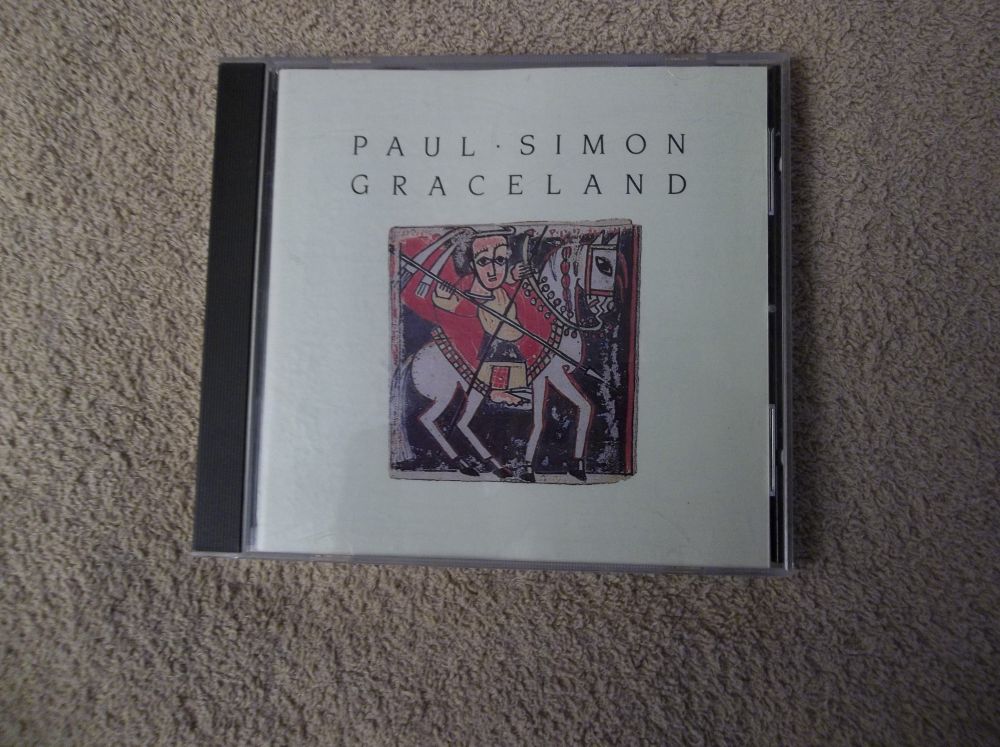
Graceland -Paul Simon
 Album of the Week Spotlight
Graceland – Paul Simon
While U2 dominated the top spot, Graceland remained the most remarkable story on the chart.
Released on August 25, 1986, Graceland entered the Billboard 200 at #28 and climbed steadily through the fall. It peaked at #3 earlier in 1987 and, by May 9, still held strong at #5—nine months after release.
The album marked a dramatic creative revival for Paul Simon. Following the commercial disappointment of One-Trick Pony, Simon traveled to South Africa to collaborate with local musicians, blending township jive rhythms with American songwriting. The result sounded unlike anything else on radio.
The album faced immediate controversy due to the UN cultural boycott of apartheid-era South Africa. Simon argued that he paid musicians fairly and gave them international exposure. The debate followed the album throughout 1986 and 1987, but the music itself proved undeniable.
Graceland won the 1987 Grammy Award for Album of the Year and introduced millions of listeners to South African musical traditions. It became one of the most influential albums of the decade.
Notable Tracks:
You Can Call Me Al
The Boy in the Bubble
AMERICA’S TOP TEN ALBUMS – WEEK OF MAY 9, 1987
The Joshua Tree – U2 (With or Without You, I Still Haven’t Found What I’m Looking For)
Licensed to Ill – Beastie Boys (Fight for Your Right, No Sleep Till Brooklyn)
Slippery When Wet – Bon Jovi (Livin’ on a Prayer, You Give Love a Bad Name)
Look What the Cat Dragged In – Poison (Talk Dirty to Me, I Want Action)
Graceland – Paul Simon (You Can Call Me Al, The Boy in the Bubble)
Sign “O” the Times – Prince (Sign “O” the Times, U Got the Look)
Trio – Dolly Parton, Linda Ronstadt, Emmylou Harris (To Know Him Is to Love Him)
The Final Countdown – Europe (The Final Countdown, Carrie)
Into the Fire – Bryan Adams (Heat of the Night, Hearts on Fire)
Whitesnake – Whitesnake (Here I Go Again, Still of the Night)
number one album May 1987
A Great Album Storage Unit- Protect Your Records From Warping


A SNAPSHOT IN TIME – WEEK OF MAY 9, 1987
Politics & World Events
The Iran-Contra hearings began on Capitol Hill, televised nationally as Americans watched the Reagan administration questioned over secret arms deals. Gary Hart withdrew from the Democratic presidential race, permanently changing how media covered candidates’ personal lives.
Health & Science
The FDA approved AZT, the first drug treatment for AIDS, offering cautious hope during a devastating crisis.
Sports & Culture
Wayne Gretzky led the Edmonton Oilers into the Stanley Cup Finals. The Grateful Dead scored an unexpected MTV hit with Touch of Grey, reaching a younger audience more than two decades into their career.
Arts & Media
Andy Warhol’s estate auction generated over $20 million, confirming his lasting influence just weeks after his death.
As the country processed political upheaval and cultural change, these albums dominated American living rooms and car stereos.
WHY THIS WEEK STILL MATTERS
May 9, 1987 represents a rare moment when artistic risk paid off across genres.
U2’s The Joshua Tree captured a spiritual, searching view of America during the Reagan era.
The Beastie Boys proved hip-hop could sell millions to a mainstream audience.
Paul Simon demonstrated that innovation and patience could revive a career without chasing trends.
This chart week rewarded originality. Albums didn’t need immediate radio hits to succeed—they needed staying power.
FROM THE RECORD STORE FLOOR
In 1987, I was managing a Camelot Music store at Park City Mall, and Graceland quickly became one of the most reliable long-term sellers I’d seen.
The album didn’t explode immediately. It took several months before sales surged, largely due to the heavy MTV rotation of the You Can Call Me Al video featuring Chevy Chase. Once customers saw the video, they came in asking for “that song with the funny video,” then left with the full album.
We kept deep inventory on compact disc and cassette. Displays weren’t necessary. The album sold through word of mouth and repeat discovery. Even nine months after release, customers continued finding it and recommending it to others.
Few albums showed that kind of endurance. Graceland didn’t burn bright and fade—it stayed.
Straight From the Music Store Days


 Frequently Asked Questions (FAQ)
What was the #1 album on May 9, 1987?
The #1 album was The Joshua Tree by U2.
Why did Graceland stay on the charts so long?
The album appealed to multiple audiences—older Simon fans, MTV viewers, world music listeners, and critics—creating steady long-term sales rather than a short spike.
How did MTV affect album sales in 1987?
A single video could revive an album months after release. The You Can Call Me Al video dramatically increased Graceland sales well into 1987.
Why was hip-hop’s presence in the Top Ten significant?
The Beastie Boys’ success proved rap could compete commercially with rock and pop, permanently changing the music industry.
Join The Conversation
What were you listening to this week in history? Did you buy one of these albums when it was new?
Share your memories below, or join the discussion on our Music in the 1970s Facebook page to keep the needle spinning.
Follow Music In The 1970s
Love classic rock, soul, and everything 70s?
Join us for daily album insights, rare stories, and lively discussions.
Keep the golden era of music alive with fellow fans!
Visit Music In The 1970s
Music in the 1970s