Billboard's Top 200 Album Sales
Key Takeaway
This week captures that fascinating crossroads between the Classic Albums of the 80s and the polished mainstream sound shaping the early ’90s.
It’s a moment where pop, rock, R&B, and movie soundtracks all fought for attention as the Early MTV Music Era continued to shift artist visibility and fan expectations.
A great snapshot of how fast music—and culture—was evolving.
My Thoughts on Billboard Chart History, May 1990
Okay, we're going to do May 1990. The top singles for May 1990 were songs such as:
- “Nothing Compares 2 U” by Sinéad O’Connor
- “Vogue” by Madonna
- “It Must Have Been Love” by Roxette
- “Hold On” by Wilson Phillips
- “Love Will Lead You Back” by Taylor Dayne
- “I Wanna Be Rich” by Calloway
Those singles (45 rpm) supported the top albums of the month. The top albums for May 1990 were:
- Sinéad O’Connor – *I Do Not Want What I Have*
- MC Hammer – *Please Hammer Don’t Hurt ‘Em*
- Janet Jackson – *Rhythm Nation 1989* (her second album)
- Michael Bolton – *Soul Deep*
- Paula Abdul – *Forever Your Girl*
- Bell Biv DeVoe – *Poison* (the number‑nine album that month)
In May 1990, my son was one year old.
I had been at a new store for about a year, completing my first full year at West Manchester Mall in York, Pennsylvania.
The month felt warm and full of promise.
At the store we were getting large laser video discs—like DVDs but the size of an album.
They were placed in a separate section that grew month to month as we expanded.
By the time I left the company in November 1991, we had a sizable selection.
You can see the picture I’m including to view the laser video‑disc selection that was on sale.
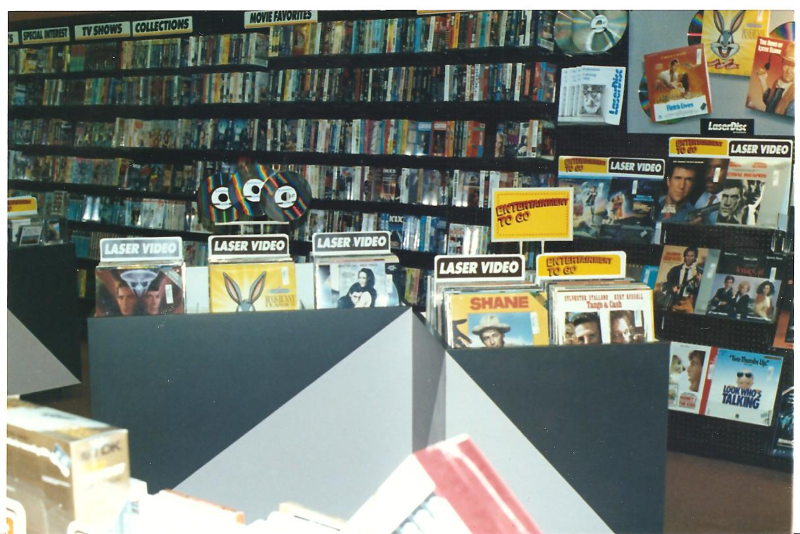
Video Discs West Manchester Mall 1990
Everything else was coming in on cassettes and CDs, mostly CDs, with cassettes being phased out very rapidly.
This Week’s Top Ten Albums in America
I Do Not Want What I Haven't Got – Sinéad O’Connor
Hits: “Nothing Compares 2 U,” “The Emperor’s New Clothes,” “Three Babies.”
A defining release in Music Chart History for its emotional power and bold vulnerability.
Please Hammer Don’t Hurt ’Em – M.C. Hammer
Hits: “U Can’t Touch This,” “Pray,” “Have You Seen Her.”
A pop-rap crossover smash that reshaped the youth-oriented sound of the era.
Brigade – Heart
Hits: “All I Wanna Do Is Make Love to You,” “Stranded,” “I Want Your World to Turn.”
A late-80s power-rock holdover still thriving in the shifting musical landscape.
Janet Jackson’s Rhythm Nation 1814 – Janet Jackson
Hits: “Escapade,” “Black Cat,” “Alright.”
One of the most socially aware pop albums ever to dominate the charts.
Soul Provider – Michael Bolton
Hits: “How Am I Supposed to Live Without You,” “Soul Provider,” “How Can We Be Lovers.”
Smooth, adult-contemporary vocals that defined Bolton’s chart-topping appeal.
Nick of Time – Bonnie Raitt
Hits: “Thing Called Love,” “Have a Heart,” “Nick of Time.”
A comeback story for the ages and a masterclass in blues-rock craftsmanship.
Pretty Woman – Original Motion Picture Soundtrack
Hits: “Oh, Pretty Woman,” “It Must Have Been Love,” “King of Wishful Thinking.”
Proof that movie soundtracks could still push major radio hits.
Forever Your Girl – Paula Abdul
Hits: “Straight Up,” “Forever Your Girl,” “Cold Hearted.”
One of the biggest pop albums in Billboard Album Charts History, still holding strong.
Poison – Bell Biv DeVoe
Hits: “Poison,” “Do Me!,” “B.B.D. (I Thought It Was Me).”
A defining New Jack Swing release that helped shape early-’90s R&B.
Violator – Depeche Mode
Hits: “Enjoy the Silence,” “Personal Jesus,” “Policy of Truth.”
A synth-rock milestone that pulled alternative sounds into the mainstream.
Protect the Music You Love!



Album of the Week Spotlight
Soul Provider- Michael Bolton
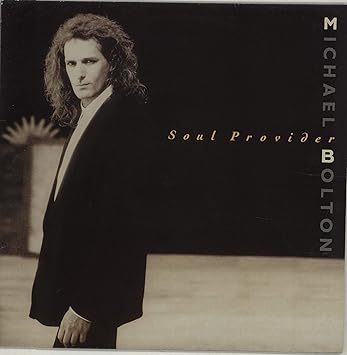
Michael Bolton Soul Provider
Thank You for Your Support!
Thank you for being a loyal reader of America's Top Ten Albums Insights!
Your passion for music history and these weekly journeys through classic albums means the world to me.
This blog is supported through affiliate sales, and when you make purchases through links on this site, you're helping keep these stories and memories alive.
I'm grateful for your continued support and for being part of this community that celebrates the soundtrack of our lives.
Here's to many more musical discoveries together!
Cheers, George
A Snapshot in Time
The George H. W. Bush White House was focused heavily on economic concerns as early signs of a recession were forming.
Gas prices hovered around $1.16 per gallon, and inflation worries were creeping into everyday conversation.
“Seinfeld” was about to debut, signaling a major shift in American sitcom style and humor.
Home computers were growing more common, but only 15% of households had one—mostly used for word processing or basic games.
Fashion leaned into bright colors, oversized silhouettes, and the rise of athletic gear as daily wear.
The music industry was beginning to rely more on polished studio production, marking a clear transition from the raw, experimental sound of the mid-80s.
My Connection
At this time in my career with Camelot Music, it felt like the music scene was shifting faster than I could keep up with.
The pop direction wasn’t always aligned with my tastes, and the excitement I once felt about new releases sometimes faded before the product even hit the shelves.
I was managing the Camelot store at West Manchester Mall in York, Pennsylvania—a smaller, medium-volume store that depended heavily on foot traffic.
The customer base was similar to what we had at Park City Mall, but with a broader mix that included more Hispanic and Black shoppers.
That meant artists like Michael Bolton didn’t naturally sell as well here.
Even my team wasn’t especially enthusiastic about him.
We played the album in-store, but it never got that extra push from energetic staff recommendations.
Reflections & Insights
This week shows how quickly the musical tide was turning—hip-hop rising, New Jack Swing hitting its stride, adult contemporary softening into its 90s peak, and rock leaning more toward mainstream polish.
The late-80s DNA was still present, but you can clearly see where the decade was heading.
Genres were blending, and audiences were widening, creating the dynamic chart landscape that still fascinates anyone who follows Billboard Album Charts History.
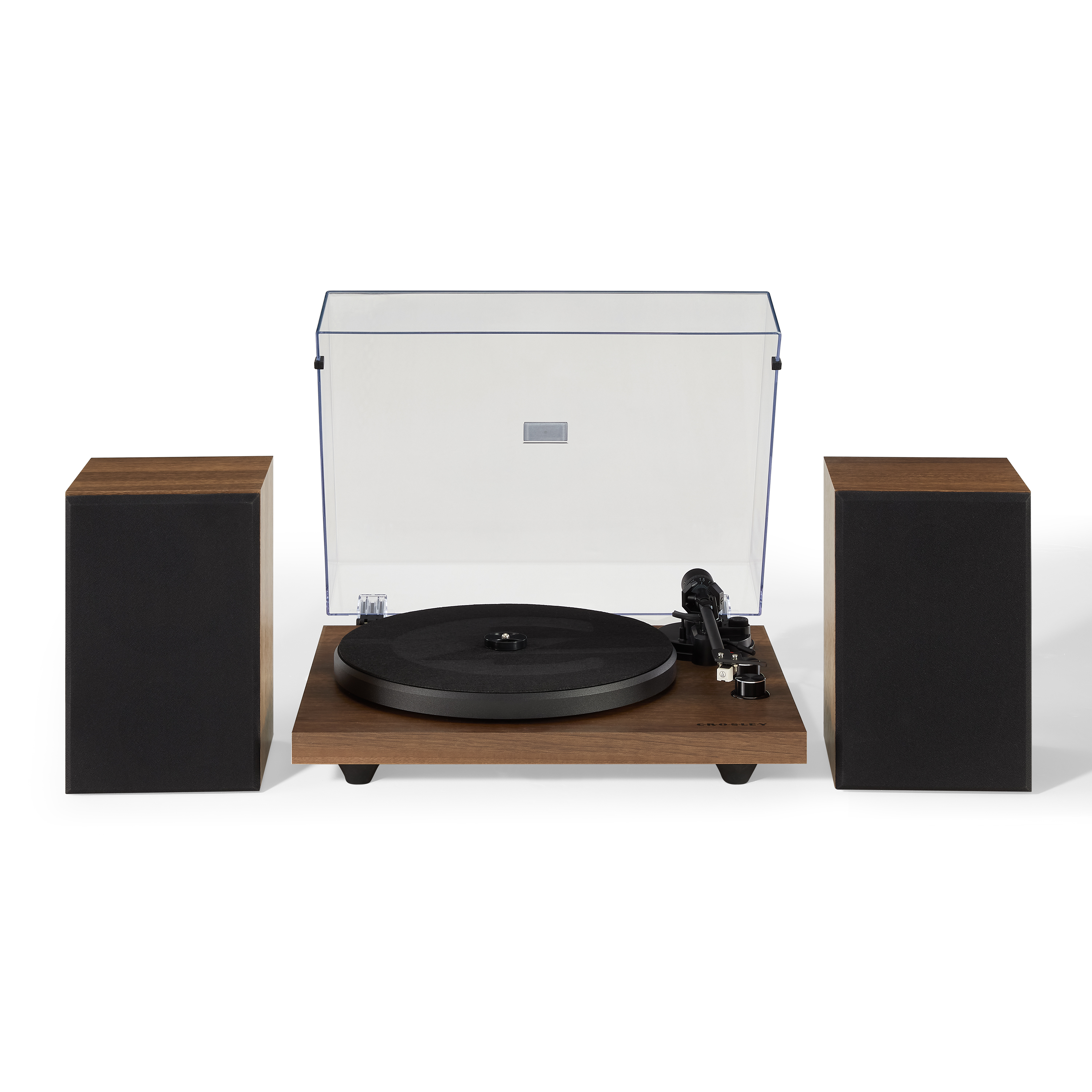
Got the Records? Get the Right Player!

 Trivia Corner
- Nothing Compares 2 U” was originally written by Prince and released earlier by The Family before Sinéad O’Connor made it iconic.
- M.C. Hammer’s album became the first hip-hop LP to reach diamond certification.
- “Violator” marked Depeche Mode’s biggest-ever commercial breakthrough in the U.S.
- Bonnie Raitt was dropped by several labels before “Nick of Time” won her multiple Grammys.
- Janet Jackson’s “Rhythm Nation 1814” is the only album in history to produce seven Top 5 singles.
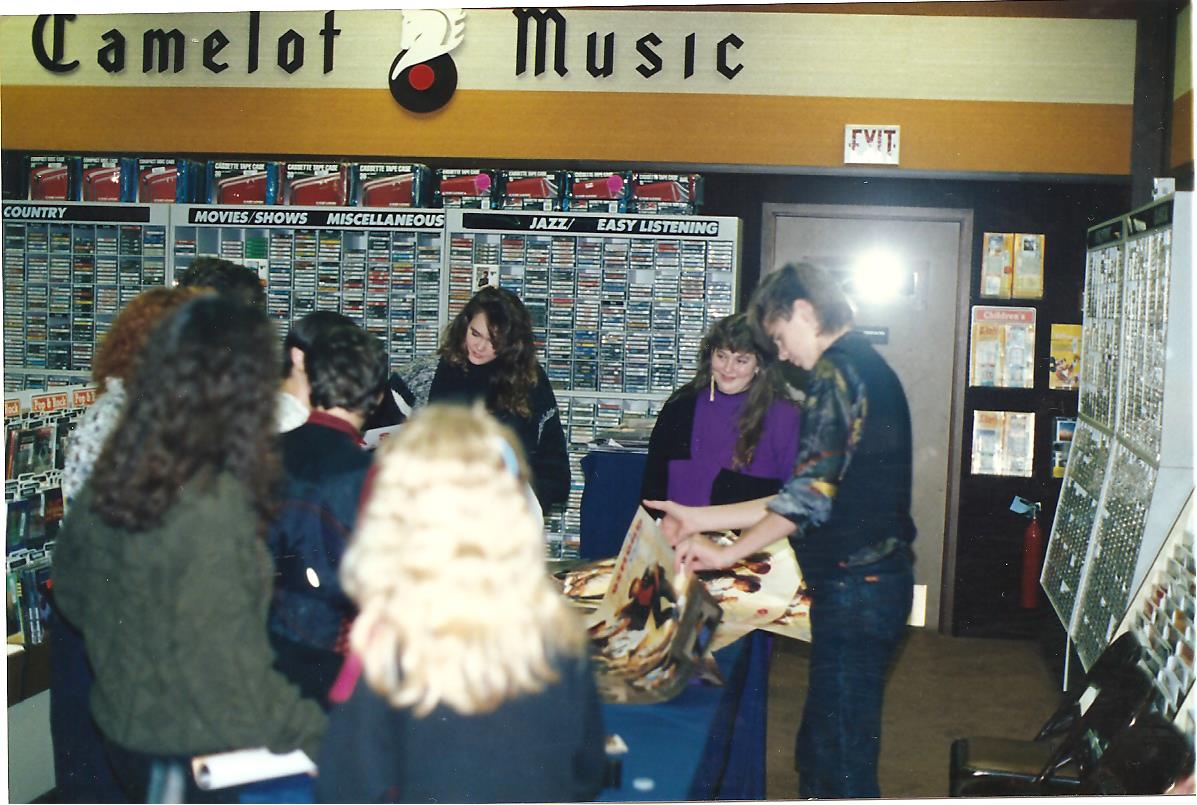
West Manchester Mall 1991
 Frequently Asked Questions (FAQ)
1. What made the 1990 charts different from the late ’80s?
The charts were shifting toward polished production, emerging hip-hop, and the early rise of New Jack Swing.
It was a transitional moment in Music Chart History.
2. Why did Michael Bolton’s “Soul Provider” become such a huge success?
Its emotional ballads and accessible production appealed to adult contemporary listeners and a growing mainstream audience.
3. How influential was Janet Jackson’s “Rhythm Nation 1814”?
It became a cultural milestone for its social themes, groundbreaking videos, and record-breaking string of hit singles.
4. Was Depeche Mode considered mainstream in 1990?
“Violator” pushed them firmly into mainstream U.S. success, especially thanks to MTV airplay.
5. Did the Pretty Woman soundtrack really influence pop radio?
Yes—its singles received heavy rotation and helped revive soundtrack-driven hit making.
Join The Conversation
What were you listening to this week in history? Did you buy one of these albums when it was new?
Share your memories below, or join the discussion on our Music in the 1970s Facebook page to keep the needle spinning.
Follow Music In The 1970s
Love classic rock, soul, and everything 70s?
Join us for daily album insights, rare stories, and lively discussions.
Keep the golden era of music alive with fellow fans!
Visit Music In The 1970s
Music in the 1970s