Billboard's Top 200 Album Sales
Key Takeaway
September 1974 was a moment of transition.
America was steadying itself after political shock, and the music reflected that mood—comforting, confident albums from artists fans trusted, mixed with high-energy rock built for loudspeakers and crowded dance floors.
Classic artists dominated the charts this week, reminding listeners that in uncertain times, familiar voices and powerful grooves matter more than trends
If you’ve ever followed the charts closely, you already know this: The 1980s weren’t shaped by hundreds of albums.
They were built by a small group of monsters that simply refused to leave the charts.I’ve just released a free downloadable PDF for readers of AmericasTopTenAlbums.com:
The Ultimate 1980s Album Hall of Fame
Featuring the Top 20 best-selling albums of the decade.
This isn’t a listicle. It’s a chart-history deep dive. Inside the PDF, you’ll find:From Thriller and Back in Black… to Purple Rain, Born in the U.S.A., Hysteria, The Joshua Tree, Appetite for Destruction, and beyond.
If you love:
This free PDF was made for you.
A Snapshot in Time
Before diving into the music, here’s what else was happening in the world during the week of September 14, 1974:
Gerald Ford was settling in as President following Richard Nixon’s resignation just weeks earlier, as the nation processed the aftermath of Watergate.
The U.S. economy continued to struggle with high inflation and unemployment, part of the ongoing 1970s economic squeeze.
Americans were still adjusting to the energy crisis, with fuel conservation and efficiency now part of daily life.
Rock music ruled FM radio, with album-oriented rock firmly established as the dominant format.
The Vietnam War had officially ended earlier in the year, but its cultural and emotional impact still shaped American life.
Just as the country searched for stability, these albums were spinning on turntables across the nation
This Week’s Top Ten Albums in America
Fulfillingness’ First Finale – Stevie Wonder
Featured hits: “You Haven’t Done Nothin’,” “Boogie On Reggae Woman”
Bad Company – Bad Company
Featured hits: “Can’t Get Enough,” “Movin’ On”
461 Ocean Boulevard – Eric Clapton
Featured hits: “I Shot the Sheriff,” “Let It Grow”
Endless Summer – The Beach Boys
Featured hits: “Surfin’ U.S.A.,” “California Girls”
Rags to Rufus – Rufus
Featured hits: “Tell Me Something Good,” “You Got the Love”
If You Love Me, Let Me Know – Olivia Newton-John
Featured hits: “If You Love Me, Let Me Know,” “Let Me Be There”
Bachman–Turner Overdrive II – Bachman–Turner Overdrive
Featured hits: “Takin’ Care of Business,” “Let It Ride”
Marvin Gaye Live! – Marvin Gaye
Featured hits: “What’s Going On (Live),” “Let’s Get It On (Live)”
Chicago VII – Chicago
Featured hits: “(I’ve Been) Searchin’ So Long,” “Call on Me”
Caribou – Elton John
Featured hits: “The Bitch Is Back,” “Don’t Let the Sun Go Down on Me”
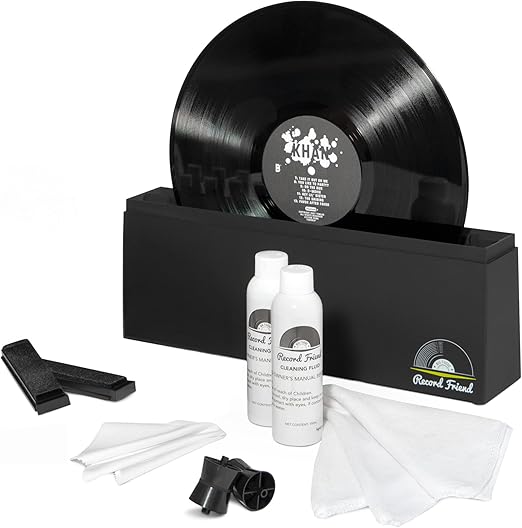
When Was the Last Time You Cleaned Your Records?


Album of the Week Spotlight
Bachman-Turner Overdive- Not Fragile
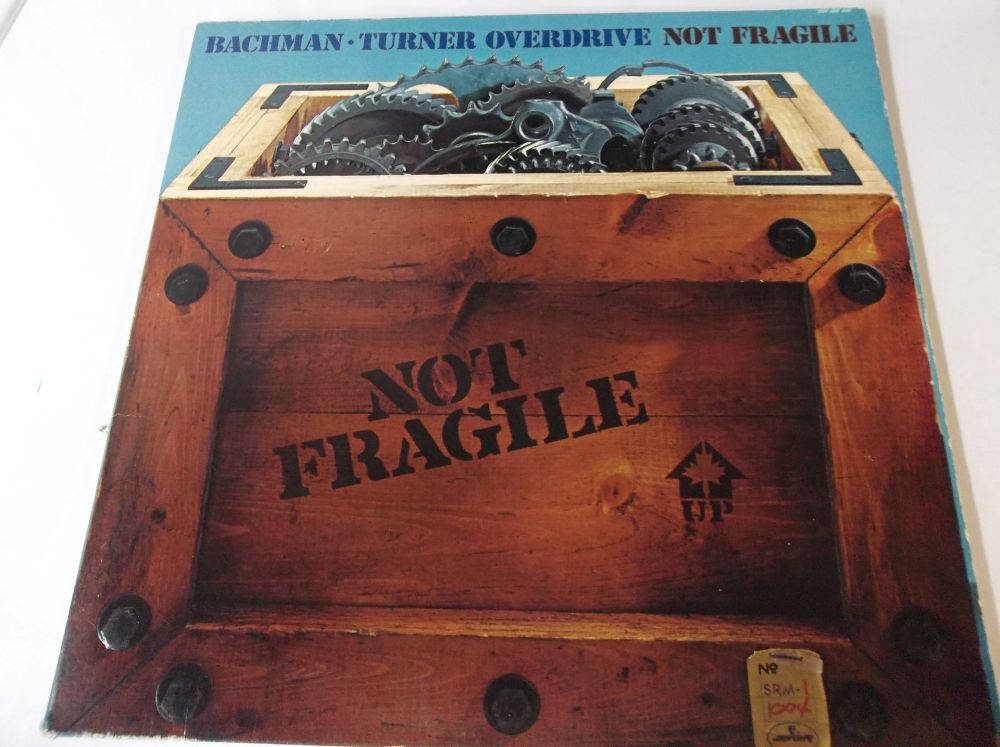
Bachman Turner Overdrive- Not Fragile
 Album of the Week Spotlight
Bachman–Turner Overdrive – Not Fragile
Why I Picked It:
This album had incredible staying power on the sales charts and defined what no-nonsense, working-class rock sounded like in the mid-1970s.
Released earlier in August of 1974, Not Fragile cemented Bachman–Turner Overdrive as one of rock’s most dependable hit-makers.
The album was loud, direct, and built for volume—perfect for clubs, cars, and packed dance floors.
Critics may not have always loved BTO’s simplicity, but fans absolutely did.
The band delivered riffs you could feel in your chest and choruses that demanded to be shouted along with.
“You Ain’t Seen Nothing Yet” wasn’t just a hit—it was a cultural moment, instantly recognizable and impossible to ignore.
You Ain't Seen Nothing Yet became number 1 on November 9, 1974.
My Connection
I was the disc jockey at a newly opened dance club called The Purple Haze—yes, named after the Jimi Hendrix song.
The Purple Haze was located in Dansville, New York, and I was the DJ and entertainment four nights a week: Tuesday nights from 8–1, Thursday, Friday, and the big night—Saturday.
I played singles (45 RPMs), album cuts, and even worked light switches that flickered the three different colored sections of the dance floor.
It was a full-on colored lighting while dancing show.
I took requests, but most of the time I programmed the music myself—choosing what would get people out of their seats and onto the floor.
And without fail, when Bachman–Turner Overdrive’s “You Ain’t Seen Nothing Yet” came on, the dance floor filled up fast. That song worked every single time.
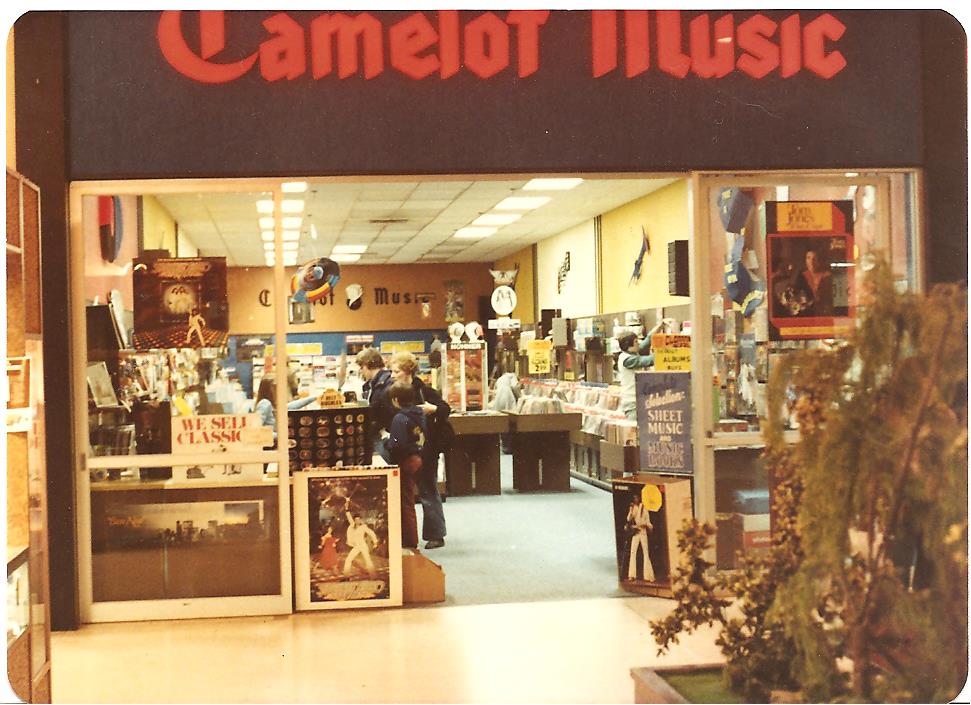
Straight From the Music Store Days!


Reflections & Insights
This week's chart is a perfect snapshot of 1974: soul, rock, pop, and singer-songwriters all coexisting comfortably.
Disco was waiting in the wings, but it hadn't taken over yet.
Instead, audiences leaned into albums that felt solid and familiar.
Whether it was Stevie Wonder's brilliance, the Beach Boys' nostalgia, or BTO's raw power, this music wasn't about escaping reality—it was about pushing through it, together, one record at a time.
Billboard Charts History 1970s
 Trivia Corner
Fun Fact 1: Fulfillingness’ First Finale earned Stevie Wonder the Grammy for Album of the Year.
Fun Fact 2: Endless Summer revived the Beach Boys’ career nearly a decade after their early hits.
Fun Fact 3: Not Fragile replaced Elton John’s Goodbye Yellow Brick Road at No. 1 earlier in 1974.
 Frequently Asked Questions (FAQ)
Q: Why was album-oriented rock so popular in 1974?
A: FM radio stations focused on full albums rather than singles, encouraging deeper listening and stronger artist loyalty.
Q: Was disco popular yet in September 1974?
A: Disco was growing in clubs but had not yet taken over the charts—that would come a year or two later.
Q: Why did live albums sell well in the 1970s?
A: Fans wanted the concert experience at home, especially when touring was a major part of rock culture.
Q: What made Bachman–Turner Overdrive stand out?
A: Their straightforward, blue-collar rock sound resonated with everyday listeners who wanted energy without pretension.
Join the newsletter for weekly chart rewinds — plus a free copy of
The Ultimate 1980s Album Hall of Fame
Join The Conversation
What were you listening to this week in history? Did you buy one of these albums when it was new?
Share your memories below, or join the discussion on our Music in the 1970s Facebook page to keep the needle spinning.
Follow Music In The 1970s
Love classic rock, soul, and everything 70s?
Join us for daily album insights, rare stories, and lively discussions.
Keep the golden era of music alive with fellow fans!
Visit Music In The 1970s
Music in the 1970s