Billboard's Top 200 Album Sales
Key Takeaway
The week disco ruled the airwaves, jazz-rock reached its creative zenith, and album-oriented radio proved that complexity could coexist with commercial success.
As America approached the late '70s, the top ten reflected a nation caught between the dancefloor urgency of Saturday Night Fever and the sophisticated studio perfectionism of artists like Steely Dan, proving that 1978 was a year when musicianship and production artistry mattered as much as the groove.
A Snapshot in Time
Politics: President Jimmy Carter navigated complex Middle East diplomacy while preparing for the Camp David Accords that would define his presidency later that year
Economy: Inflation crept toward 7%, gas prices hovered around 63 cents per gallon, and the average American household income stood at roughly $15,000 annually
Pop Culture: "Dallas" premiered on CBS, fundamentally changing television drama, while moviegoers lined up for "Saturday Night Fever," which had transformed John Travolta into a cultural phenomenon
Technology: The first computer bulletin board system launched in Chicago, cassette tape sales continued climbing, and Sony's Betamax battled VHS for home video supremacy
Lifestyle Trends: Disco fashion dominated retail, joggers filled city parks as the fitness movement gained momentum, and FM radio solidified its dominance over AM for album-oriented programming
Music Industry: Album sales reached unprecedented heights as the LP format peaked commercially, while artists increasingly viewed albums as complete artistic statements rather than collections of singles
This Week’s Top Ten Albums in America
1. Saturday Night Fever – Bee Gees/Soundtrack
- Featured hits: "Stayin' Alive," "How Deep Is Your Love," "Night Fever"
- This cultural juggernaut spent an astounding 24 weeks at number one, becoming the defining soundtrack of the disco era and one of history's best-selling albums.
2. The Stranger – Billy Joel
- Featured hits: "Just the Way You Are," "Movin' Out (Anthony's Song)," "Only the Good Die Young"
- Joel's breakthrough masterpiece established him as a hitmaker who could balance pop accessibility with sophisticated piano-driven arrangements and storytelling depth.
3. Slowhand – Eric Clapton
- Featured hits: "Lay Down Sally," "Wonderful Tonight," "Cocaine"
- Clapton's laid-back masterwork showcased his evolution from blues-rock guitar hero to mature songwriter, delivering his most commercially successful solo album.
4. Running On Empty – Jackson Browne
- Featured hits: "Running on Empty," "The Load-Out," "Stay"
- This innovative concept album captured the reality of life on the road, recorded live in concert venues, hotel rooms, and on the tour bus itself.
5. Aja – Steely Dan
- Featured hits: "Peg," "Deacon Blues," "Josie"
- The pinnacle of studio perfectionism, featuring jazz fusion excellence that redefined what pop albums could achieve sonically and compositionally.
6. Even Now – Barry Manilow
- Featured hits: "Copacabana (At the Copa)," "Can't Smile Without You," "Somewhere in the Night"
- Manilow's adult contemporary dominance continued with lush arrangements and memorable melodies that made him one of the era's most reliable hitmakers.
7. Weekend In L.A. – George Benson
- Featured hits: "On Broadway," "Weekend in L.A.," "The Greatest Love of All"
- This live double album captured Benson at his peak, seamlessly blending jazz virtuosity with R&B sensibilities and crossover pop appeal.
8. News Of The World – Queen
- Featured hits: "We Will Rock You," "We Are the Champions," "Spread Your Wings"
- Queen's arena-rock anthems became instant classics, with two tracks becoming permanent fixtures at sporting events worldwide for decades to come.
9. The Grand Illusion – Styx
- Featured hits: "Come Sail Away," "Fooling Yourself (The Angry Young Man)," "Grand Illusion"
- Styx's progressive rock ambitions met commercial success, blending theatrical arrangements with radio-friendly hooks that defined mid-70s arena rock.
10. Point of Know Return – Kansas
- Featured hits: "Dust in the Wind," "Point of Know Return," "Portrait (He Knew)"
- Kansas delivered their most successful album, with "Dust in the Wind" becoming an unexpected acoustic ballad hit from a band known for progressive rock complexity
Album of the Week Spotlight
Steely Dan - Aja

Steely Dan Aja 1978
 Album of the Week Spotlight
Why I Picked It
Aja represents the absolute zenith of studio craftsmanship in popular music history.
This immaculately written, produced, and performed album stands as a testament to what's possible when artistic vision meets unlimited studio time and access to the finest session musicians in the world.
Every note, every tone, every arrangement choice reflects Donald Fagen and Walter Becker's obsessive pursuit of sonic perfection.
The musicians assembled for this album reads like a who's who of jazz and rock royalty.
Wayne Shorter, the legendary saxophonist who revolutionized modern jazz with Weather Report and his own groundbreaking solo work, delivers the transcendent solo on the title track.
Steve Gadd, whose drumming on "Aja" became one of the most studied performances in music history, brought his sophisticated jazz sensibility to multiple tracks.
Larry Carlton, the session guitar virtuoso known for his work with Joni Mitchell and The Crusaders, contributed his warm, articulate guitar voice.
Chuck Rainey, whose bass work defined countless hits from Aretha Franklin to Quincy Jones productions, provided the rhythmic foundation.
Victor Feldman, the multi-instrumentalist who worked with Miles Davis and Cannonball Adderley, added percussion and vibes.
Pete Christlieb, renowned jazz tenor saxophonist, traded solos with Shorter on the title track.
The list continues with Bernard Purdie, whose groove became the template for modern drumming, and Michael McDonald (then of the Doobie Brothers), who contributed background vocals.
Each of these musicians brought decades of experience and individual brilliance to create something collectively extraordinary.
Where It Fits in Steely Dan's Career
Aja marked the culmination of Steely Dan's evolution from a touring rock band to a studio-based duo creating increasingly sophisticated jazz-rock fusion.
Following 1976's The Royal Scam, Fagen and Becker had completely abandoned live performance to focus exclusively on studio perfectionism.
Aja represented their most ambitious sonic achievement, taking months to complete as they pursued the exact sound in their heads, often requiring dozens of takes and hiring multiple musicians to attempt the same parts until they achieved satisfaction.
This album represented Steely Dan at their most jazz-influenced, incorporating extended instrumental passages, complex harmonic progressions, and improvised solos that pushed well beyond conventional pop music boundaries.
Yet remarkably, they achieved this without sacrificing commercial accessibility.
The album proved that mainstream audiences would embrace complexity if the grooves remained infectious and the melodies memorable.
Impact on Charts and Culture
Aja peaked at number three on the Billboard 200 and remained on the charts for over a year, eventually selling over five million copies.
"Peg" reached number eleven on the Hot 100, while "Deacon Blues" and "Josie" became FM radio staples. The album won the Grammy Award for Best Engineered Recording, Non-Classical, recognizing engineer Roger Nichols' groundbreaking work.
Beyond chart success, Aja's cultural impact resonated throughout the music industry.
It became the gold standard for studio production, with audio engineers and producers studying its sonic qualities for decades.
The album demonstrated that jazz-influenced music could achieve mainstream commercial success without dumbing down the artistic vision.
It validated album-oriented FM radio's commitment to playing longer, more complex tracks and proved that audiences appreciated musical sophistication.
Why It Still Matters Today
Forty-eight years later, Aja stands as one of the most perfectly realized albums in pop music history.
Its influence extends across multiple generations of musicians, from hip-hop producers who sample its pristine grooves to contemporary jazz artists who study its harmonic sophistication.
The album's production quality remains a benchmark in the digital age, with audiophiles still using it to test high-end audio equipment.
Aja occupies a unique space in recorded music history as the ultimate expression of 1970s studio perfectionism, captured just before digital recording would transform the industry.
It represents the pinnacle of analog recording artistry, when unlimited studio budgets and access to master musicians could create something truly timeless.
The album proved that popular music could be both intellectually sophisticated and emotionally accessible, challenging the false dichotomy between art and commerce.
In retrospect, Aja stands alongside albums like The Beatles' Sgt. Pepper's, Pink Floyd's The Dark Side of the Moon, and Miles Davis' Kind of Blue as recordings that transcended their era to become permanent fixtures in the canon of essential popular music.
Its combination of impeccable musicianship, innovative production, sophisticated composition, and memorable melodies created something that sounds as fresh and relevant today as it did in 1978.
Take Your Listening Experience to the Next Level!

My Connection
At the time in my history as a Camelot Music Store Manager, I was in my second year of my career with them, and Aja was a major sales success.
This was a super major FM radio airplay giant that flooded FM stations across the USA in 1978.
Aja was a very popular in-store play album. We could play it for the most part to all shoppers at any time of the day.
The sophisticated sound never offended customers, whether they were teenagers browsing rock albums or older adults shopping for easy listening.
It created the perfect retail atmosphere, musically interesting enough to enhance the shopping experience without overwhelming conversation.
I constantly sold many copies of Aja throughout its first year on both 8-track tape and vinyl albums.
Customers who bought it often returned specifically to thank us for the recommendation, which didn't happen with every album we stocked.
The audiophile quality meant people wanted to own it on the best format available.
I remember explaining to customers how Steely Dan spent months perfecting each track, which justified the purchase on this merit alone. Have yourself a treat!.
It was one of those rare albums that sold itself once people heard just a few bars of any track.
Join the newsletter for weekly chart rewinds
I send out a simple weekly newsletter every time a new article is published.
No spam.
No daily emails.
Just a quick note letting you know something new is live.
Reflections & Insights
This week's top ten reveals a music industry at a fascinating crossroads.
Disco's commercial dominance, represented by Saturday Night Fever's stranglehold on the top position, existed alongside sophisticated album-oriented rock and jazz fusion that demanded attentive listening rather than dancefloor motion.
The charts accommodated both the Bee Gees' four-on-the-floor urgency and Steely Dan's intricate jazz harmonies, proving that 1978 audiences embraced musical diversity.
The decade was heading toward increased studio sophistication and production values that would define early 1980s pop music.
Artists like Billy Joel, Jackson Browne, and Steely Dan demonstrated that audiences appreciated craftsmanship, thoughtful arrangements, and albums conceived as complete artistic statements.
The presence of multiple live albums (Running On Empty, Weekend In L.A.) also showed that concertgoing had become central to music culture, with fans wanting to capture that experience at home.
This genre mix shaped the era by refusing to choose between accessibility and artistry.
Rock fans could appreciate Queen's anthemic power, Steely Dan's jazz complexity, and Eric Clapton's blues-rock mastery within the same cultural moment.
This openness created space for musical experimentation while maintaining commercial viability, a balance that would prove harder to maintain as the decade progressed and formats became more rigidly defined.
The week of March 28, 1978 captured American popular music at perhaps its most eclectic and artistically ambitious commercial peak.
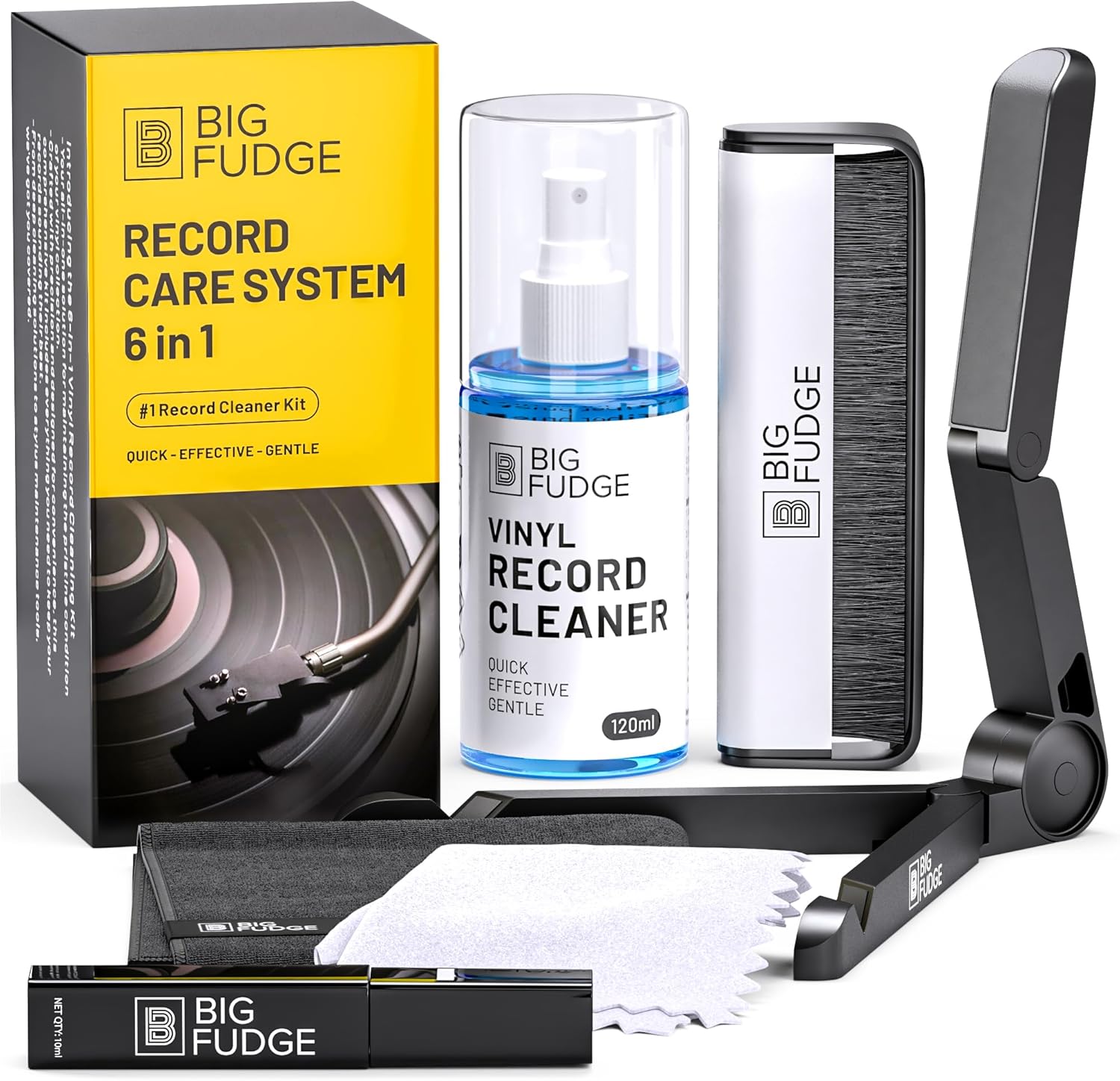
Don't Let Neglect Destroy Great Music!

 Trivia Corner
- The drumming on "Aja" by Steve Gadd is so complex and influential that it's been transcribed and studied in music schools worldwide, with Gadd himself admitting he couldn't recreate it exactly without referencing the original recording.
Donald Fagen and Walter Becker were so particular during Aja's recording sessions that they hired seven different guitarists to attempt the solo on "Peg" before Larry Carlton delivered the take they wanted, which he reportedly nailed in just a few attempts.
Wayne Shorter's saxophone solo on the title track "Aja" was largely improvised in the studio, yet it fits the composition so perfectly that many assume it was meticulously composed and notated.
The album's title and cover art were inspired by the Korean-born actress Aja Kim, though her name was spelled differently; the exotic aesthetic reflected Steely Dan's fascination with jazz, film noir, and Beat generation culture.
Saturday Night Fever's soundtrack success was so unprecedented that it held the number one position for 24 consecutive weeks, selling over 15 million copies in the US alone and becoming one of history's best-selling albums across all genres.
 Frequently Asked Questions (FAQ)
How did Aja perform commercially compared to Steely Dan's previous albums?
Aja became Steely Dan's best-selling album at the time, reaching number three on the Billboard 200 and achieving platinum status multiple times over.
It significantly outsold their previous release, The Royal Scam, and validated their decision to abandon touring in favor of studio perfectionism.
The album's commercial success proved that musical sophistication and mainstream appeal weren't mutually exclusive.
What made the production quality of Aja so revolutionary for 1978?
Engineer Roger Nichols employed cutting-edge recording techniques including meticulous microphone placement, extensive overdubbing, and pioneering use of digital delay effects.
Steely Dan's perfectionism meant recording dozens of takes for single parts, then editing together the best moments.
The result was an album with unprecedented clarity, separation, and sonic depth that became the benchmark for audiophile recordings and won the Grammy for Best Engineered Album.
Why did Saturday Night Fever dominate the charts for so long?
The soundtrack became a cultural phenomenon beyond just music, representing a lifestyle and dance movement that swept America.
Its combination of the Bee Gees' falsetto-driven hits, other disco classics, and the film's massive popularity created a self-reinforcing cycle where the movie drove album sales and the music kept people seeing the film.
It captured lightning in a bottle at the exact moment disco reached its commercial and cultural zenith.
How did albums like Aja influence the music that came after?
Aja's impact on production standards elevated expectations across the industry, influencing everyone from progressive rock bands to R&B producers.
Its jazz fusion elements inspired countless musicians to incorporate more sophisticated harmonies and arrangements into popular music.
Hip-hop producers later sampled its pristine grooves extensively, while contemporary artists from Kanye West to Thundercat have cited Steely Dan's approach as influential to their own perfectionist studio methods.
What was significant about Jackson Browne recording Running On Empty as a live/road album?
Running On Empty pioneered the concept album documenting life on tour, recorded in various venues, hotel rooms, and even on the tour bus itself.
This approach gave listeners unprecedented access to the reality of a touring musician's life while maintaining album-quality production.
It influenced how artists thought about live recordings, proving they could be conceptually cohesive artistic statements rather than just concert documentation.
Join The Conversation
What were you listening to this week in history? Did you buy one of these albums when it was new?
Share your memories below, or join the discussion on our Music in the 1970s Facebook page to keep the needle spinning.
Follow Music In The 1970s
Love classic rock, soul, and everything 70s?
Join us for daily album insights, rare stories, and lively discussions.
Keep the golden era of music alive with fellow fans!
Visit Music In The 1970s
Music in the 1970s